Church Closure & Merger Books

What are the best books for congregational endings?
You are doing hard and holy work. You will need to draw on all of your best thinking and pastoring! To help you on this journey, the Good Friday Collaborative has assembled a book list for you.
Primary Recommendations
Our preferred books about concluding existing ministry illustrate a variety of possibilities and approaches to faithful futures. These books do not pretend to have all the answers. Instead, they accompany pastors and congregations in the sacred work of congregational endings.
The Good Friday Collaborative loves this type of book because they align with our own approach to coaching and consulting! We believe that you are the expert in your context. Our role is to support, resource, and encourage you as your congregation faithfully follows God to the cross and beyond.
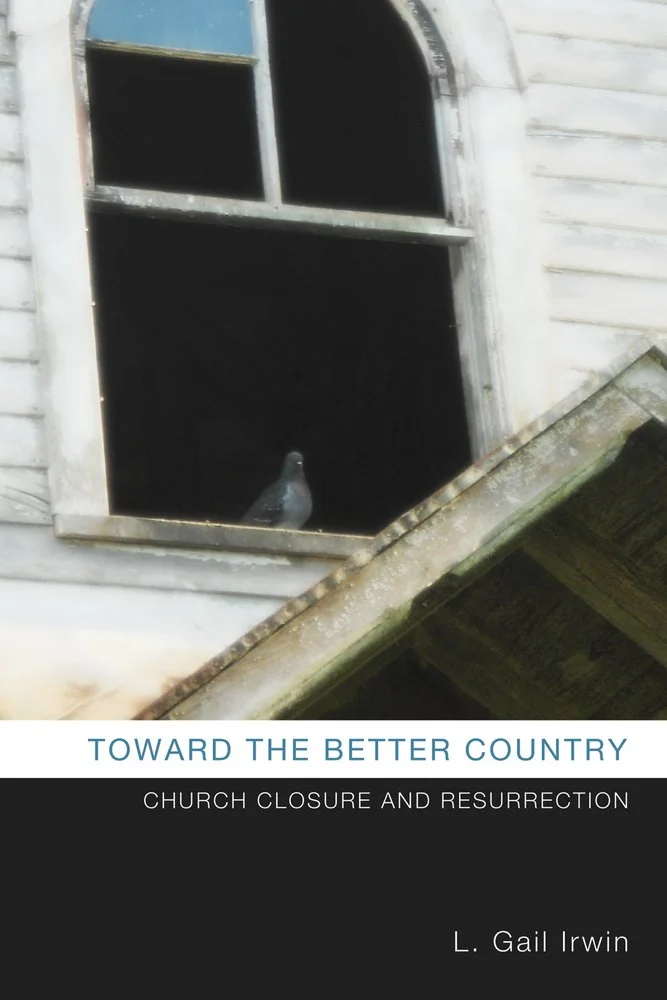
Toward the Better Country
L. Gail Irwin, author
This book addresses how, why, and when to begin conversations about the future of the church. The author emphasizes that there are multiple paths to the future and shares stories based on her interviews with over thirty church leaders. These stories emphasize how downsizing, merging, or closing can be done in healthy and faithful ways. Lay leaders, pastors, regional pastors, and entire congregations can benefit from this practical book. It is designed for communal reflection, and each chapter ends with helpful Scripture readings and conversation starters. The chapter applying Jesus’ seven last words could easily become the basis of a Lenten series for a congregation concluding ministry.
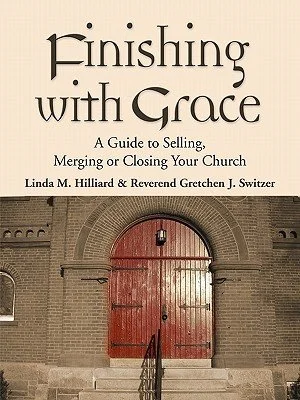
Finishing with Grace
Linda M. Hilliard and Gretchen J. Switzer, authors
This short book is very practical and useful to share with lay leaders. It includes tips like how to get rid of all of the objects (sacred and not!) in the building through the work of a Physical Asset Team. Their discernment and worship resources are easy to apply. Sidebars about their congregation’s experience are highly relatable. Finishing with Grace includes “A Prayer for the Church” by Rev. Kathryn Anadein, which can be used in congregational discernment meetings.
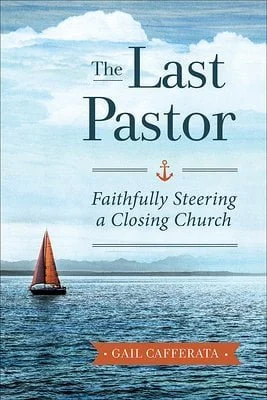
The Last Pastor
Gail Cafferata, author
This book examines the experience of pastors who guide a community to a “grace-filled closure” and “‘good enough’ death.” The author is an Episcopal priest and sociologist who studied 130 mainline pastors who led churches concluding ministry. Her in-depth research undergirds closely resonated with our own spiritual and emotional experiences. The chapter on judicatories should be read by all judicatory leaders, especially those in the Episcopal, Lutheran, United Methodist, Presbyterian, and United Church of Christ denominations. The data around vocational transitions and inward transformation makes a compelling case for the difference that hands-on support can make for “the last pastor.”
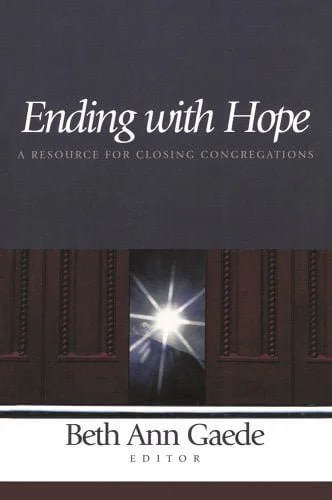
Ending with Hope
Beth Ann Gaede, editor
This collection of essays was the first book to “break the silence about closing congregations” (preface, p. viii). Short chapters address discernment, assessment, ritual, merger, historical records, and buildings. Several of the essays connect the closing experience with the Kübler-Ross grief model. The stories contrast “ending with strength” with a “struggle to the end.” This is a good resource for congregational leaders to dip in and out of in choosing what best applies to their context.
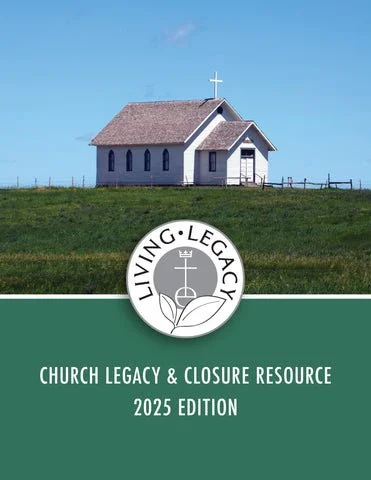
Living Legacy Workbook
This legacy workbook normalizes the conversation by setting the context and then addresses congregational assessment, history, buildings, financial assets, and legal issues. A three-part Bible study frames the legacy journey in faith, hope, and love. While the workbook was produced by the United Church of Christ and assumes a UCC audience, churches in other denominations (particularly free-church traditions) will likely find it helpful.
More recommendations
We have many more recommendations that, while written for particular contexts and with a particular plan in mind, may provide helpful insights even to those not within that context or following the plan they outline. For example, Before the Resurrection: Transitions and Endings in Quaker Meetings and Churches by Emily Provance is written for the Quaker context, examining Friends’ meetings and institutional structures, but offers plenty of suggestions that are more widely applicable. Other books, like Being Mortal by Atul Gawande, are not intended for the church, but still provide information and concepts you can adapt.
Disclosure:
GFC is an affiliate of Bookshop.org and will earn a small commission from purchases made through our Bookshop.org storefront.
